Waste:Life
In 2024, I commenced work for a new book project that I am tentatively calling Waste:Life.
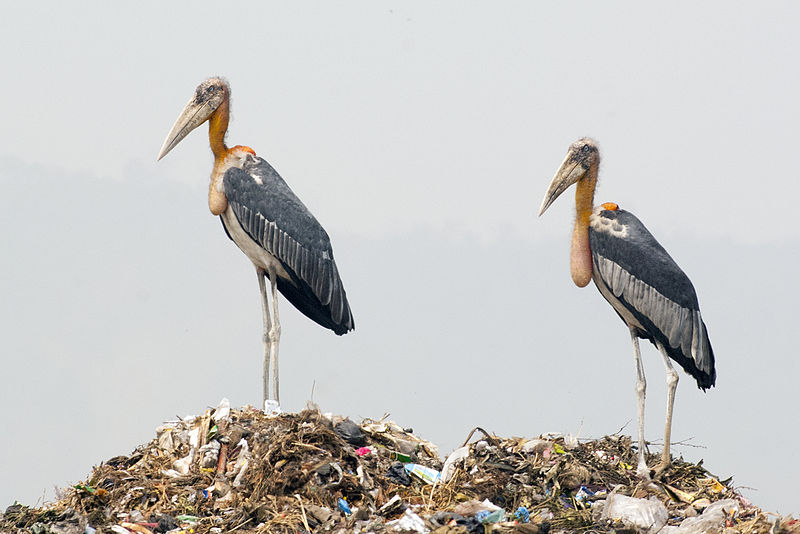
Whether it’s CO2 emissions warming the planet or mountains of e-waste shipped to the Global South, waste has become a defining feature of the 21st-century Anthropocene. While waste is often associated with life’s destruction—oceanic dead zones, species extinction, toxicity, human and environmental collapse—the relationship between waste and life is far more complex. On one hand, waste is an inherent aspect of living processes: all organisms generate some form of waste, and some waste begets life. On the other hand, the scale of contemporary human waste has generated some intriguing scenarios. Recent studies, for example, have revealed that the Great Pacific Garbage Patch, that vast expanse of plastic waste in the middle of the Pacific Ocean, hosts a thriving and unique aquatic ecosystem. The very plastic waste that is destroying many forms of marine life is simultaneously nurturing others. Meanwhile, in South Asia, the endangered Greater Adjutant stork finds a perilous form of safety in urban dumps. It finds refuge in refuse. Even more unsettling is the discovery of microplastics in brain tissue and human embryos. Such examples challenge simplistic characterizations of waste as a problem while raising existential questions about the integrity of living beings.
The Waste:Life project explores the relationship between waste and life from multiple angles. It inquires about the meaning of both concepts and about the symbolic regimes that maintain the boundaries between “living” and “wasting.” What do waste and life mean in different disciplinary and cultural contexts? Are those meanings shifting? Drawing from the emergent field of Discard Studies, the project aims to push beyond conventional waste management frameworks and to evoke broader reflection on the systems and power dynamics that generate, represent, and distribute both waste and life, often in ways that contribute to environmental injustice and colonial legacies. Relatedly, it interrogates cultural logics of abjection and efficiency that render some life as essential and others as excessive, wasted, or destined for wastelands. From a different, more uplifting angle, I also explore creative and life-affirming repurposing of waste, whether through art, compost, engineering, or the circular economy.
In 2025/2026, I will be leading a faculty seminar on Waste:Life at Haverford College’s John B Hurford ’60 Center for Arts and Humanities. For more information, visit https://www.haverford.edu/hcah/groups-seminars-forums/faculty-seminars.
Philadelphia Garden Data Collaborative: Preserving Urban Community Gardens
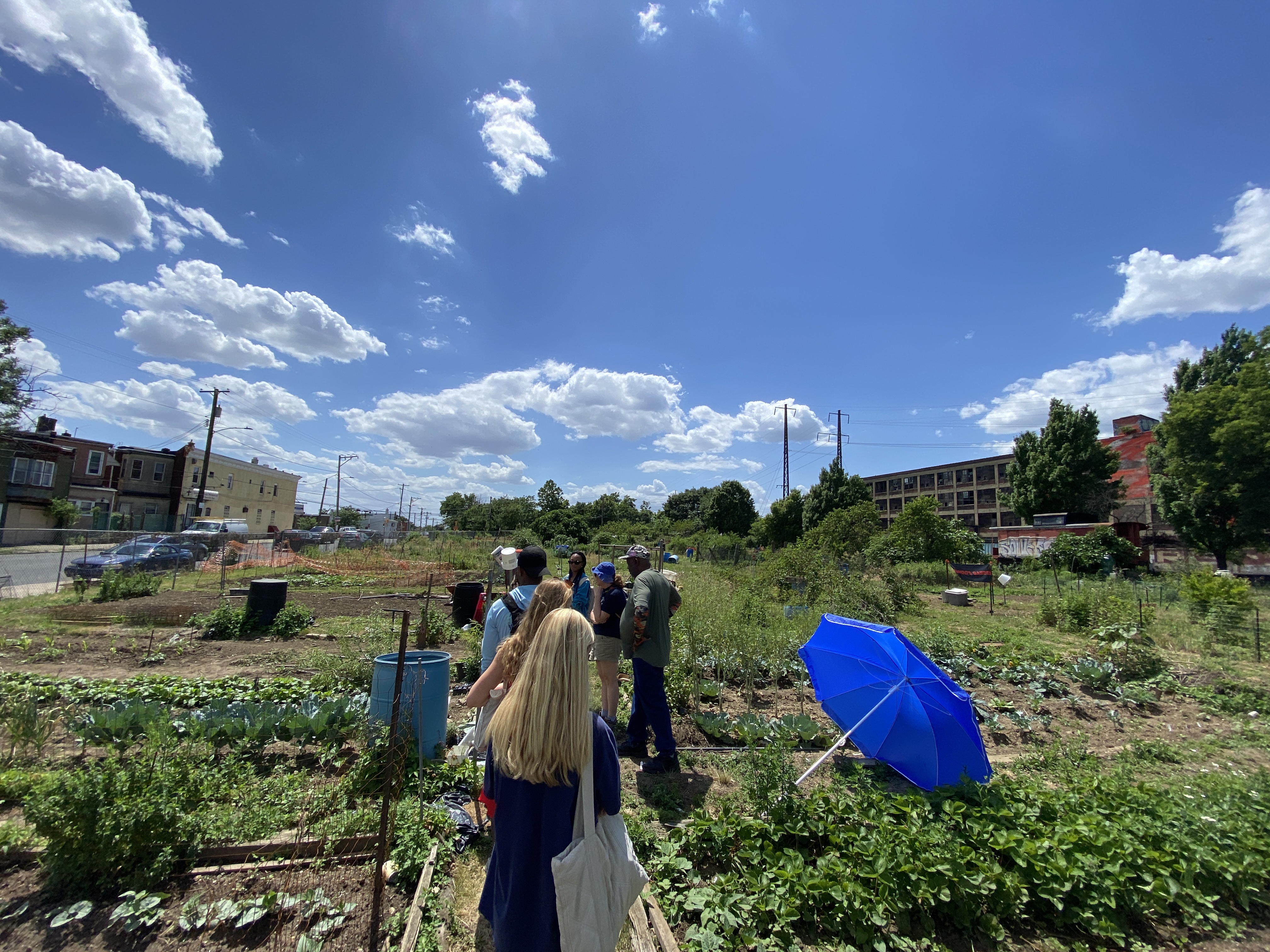
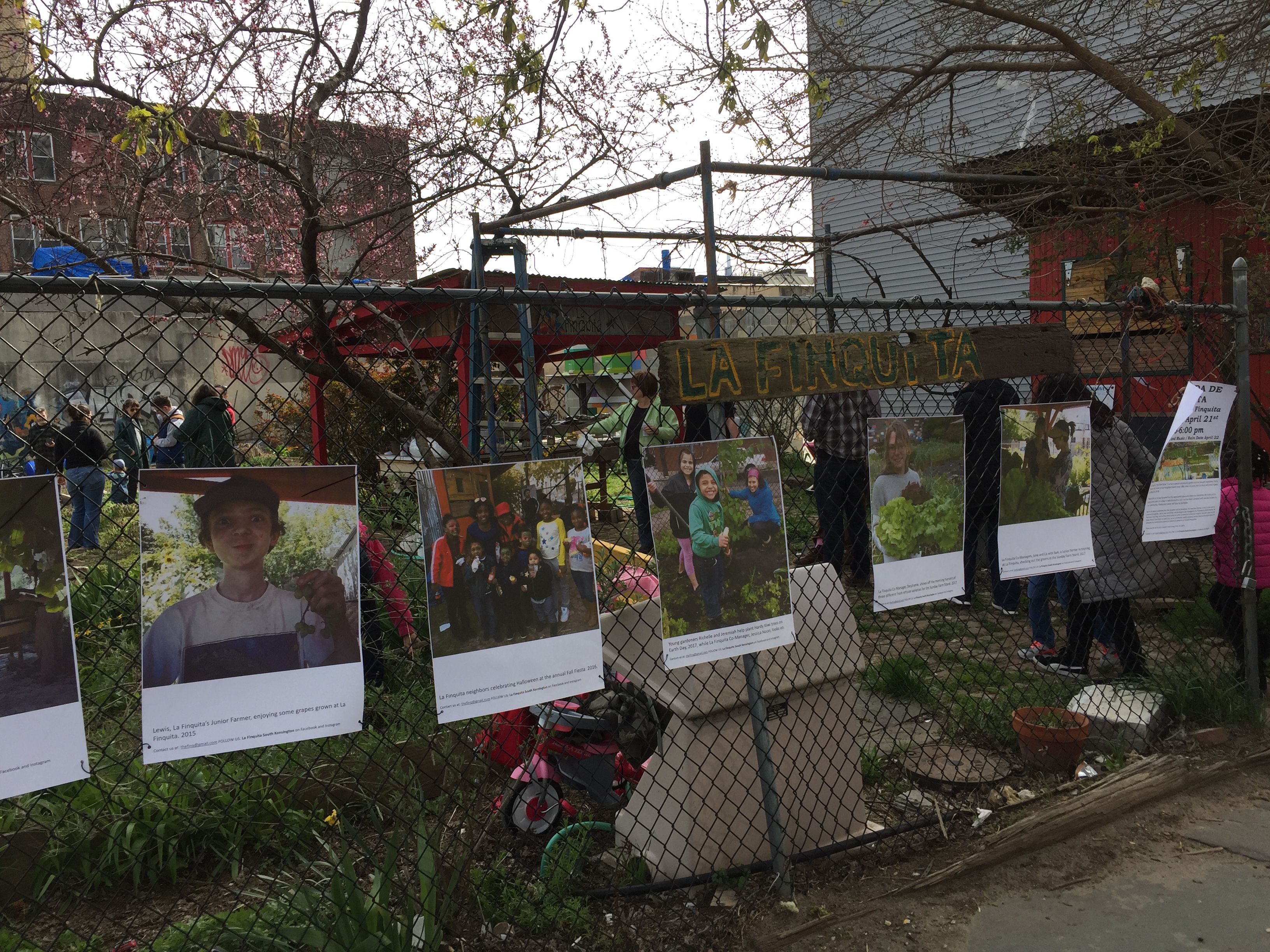
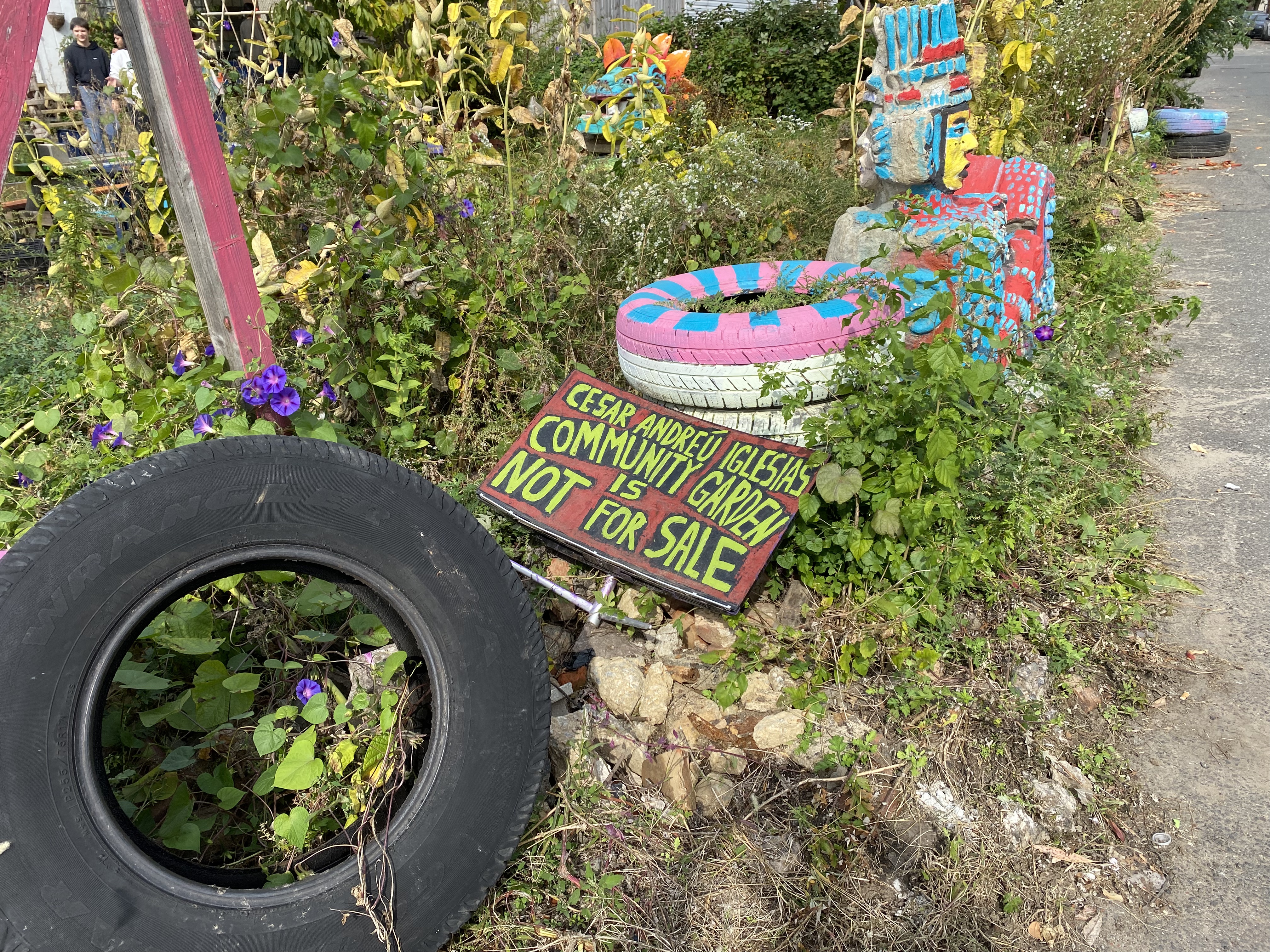
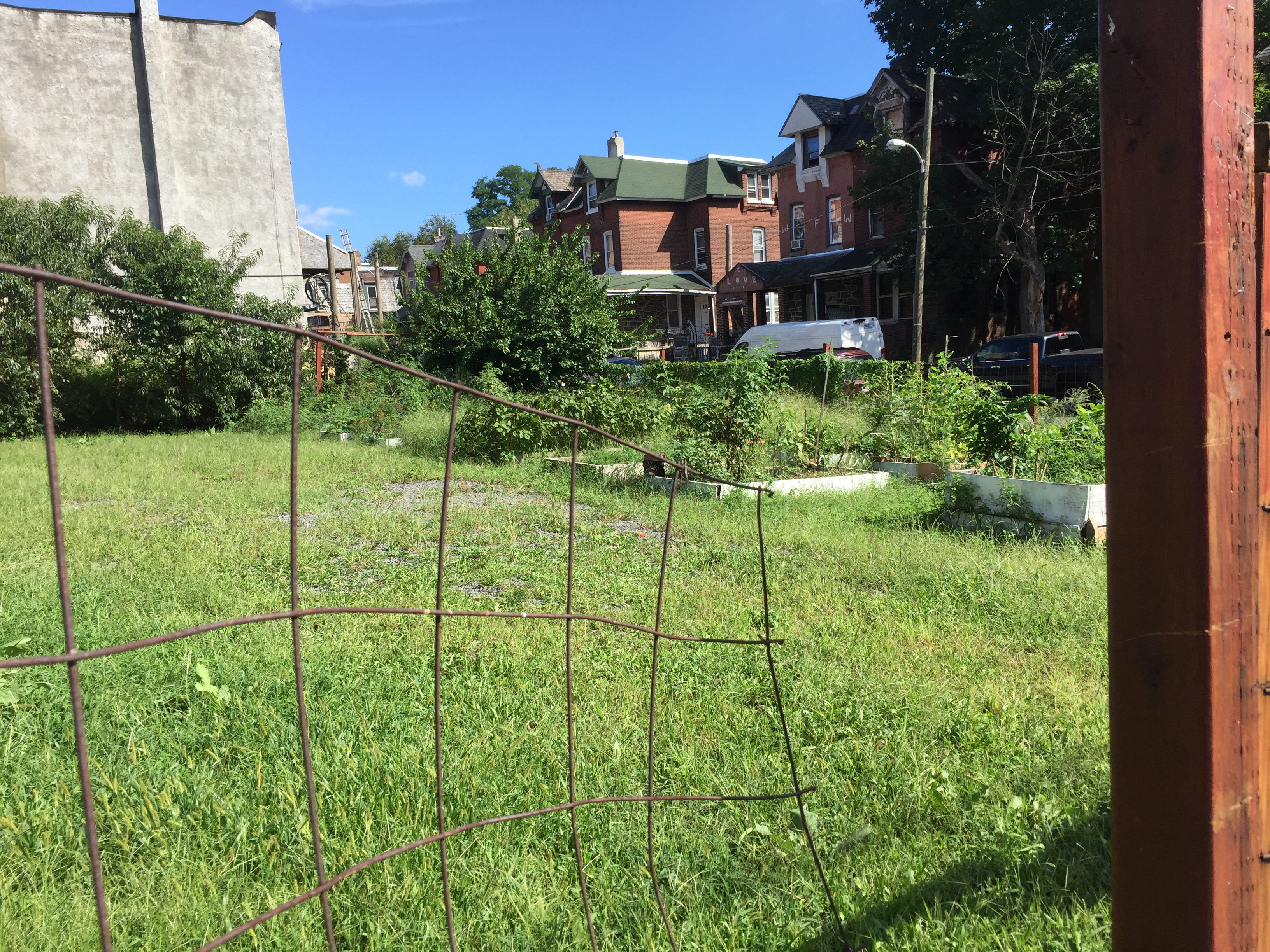
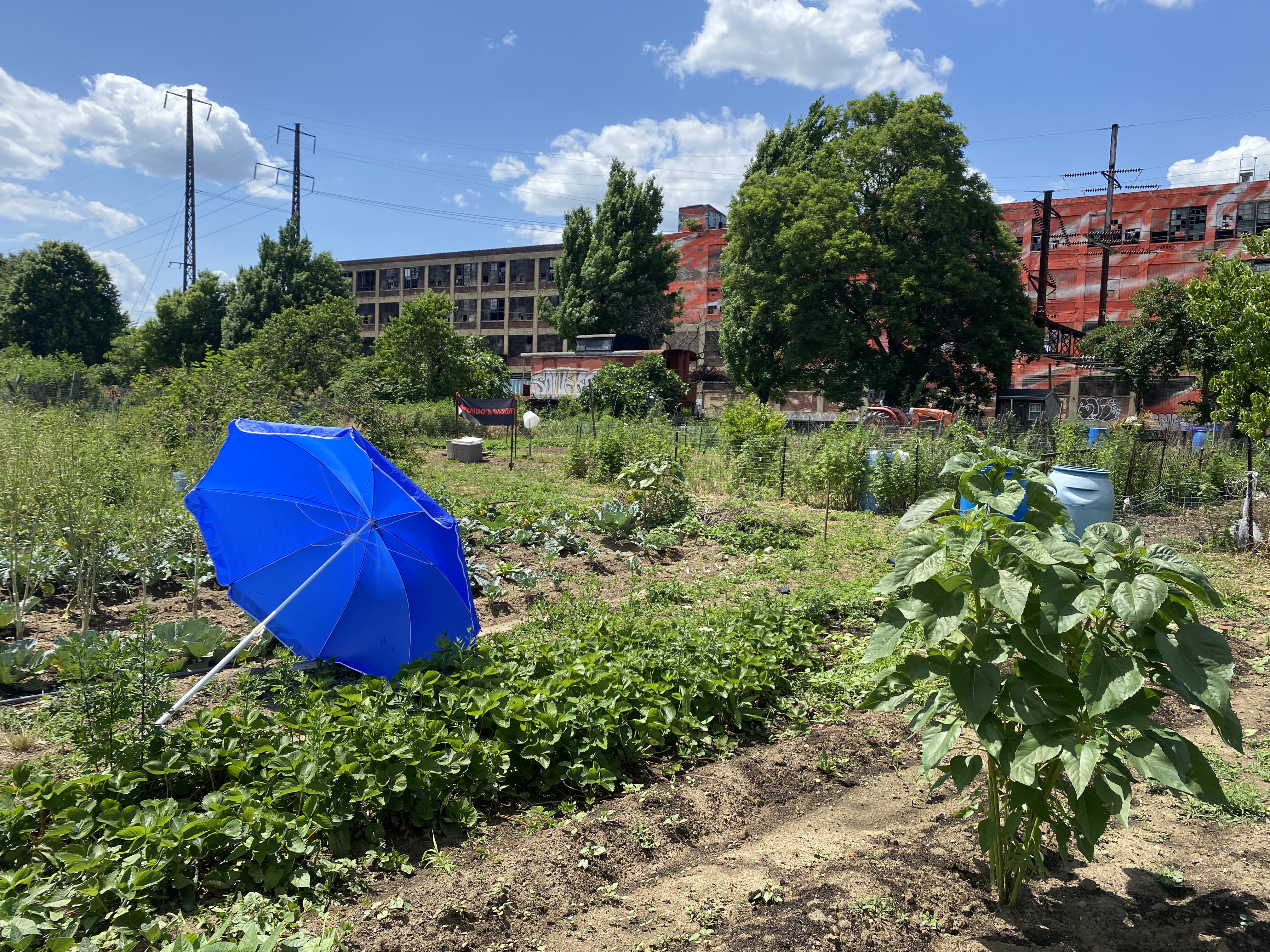
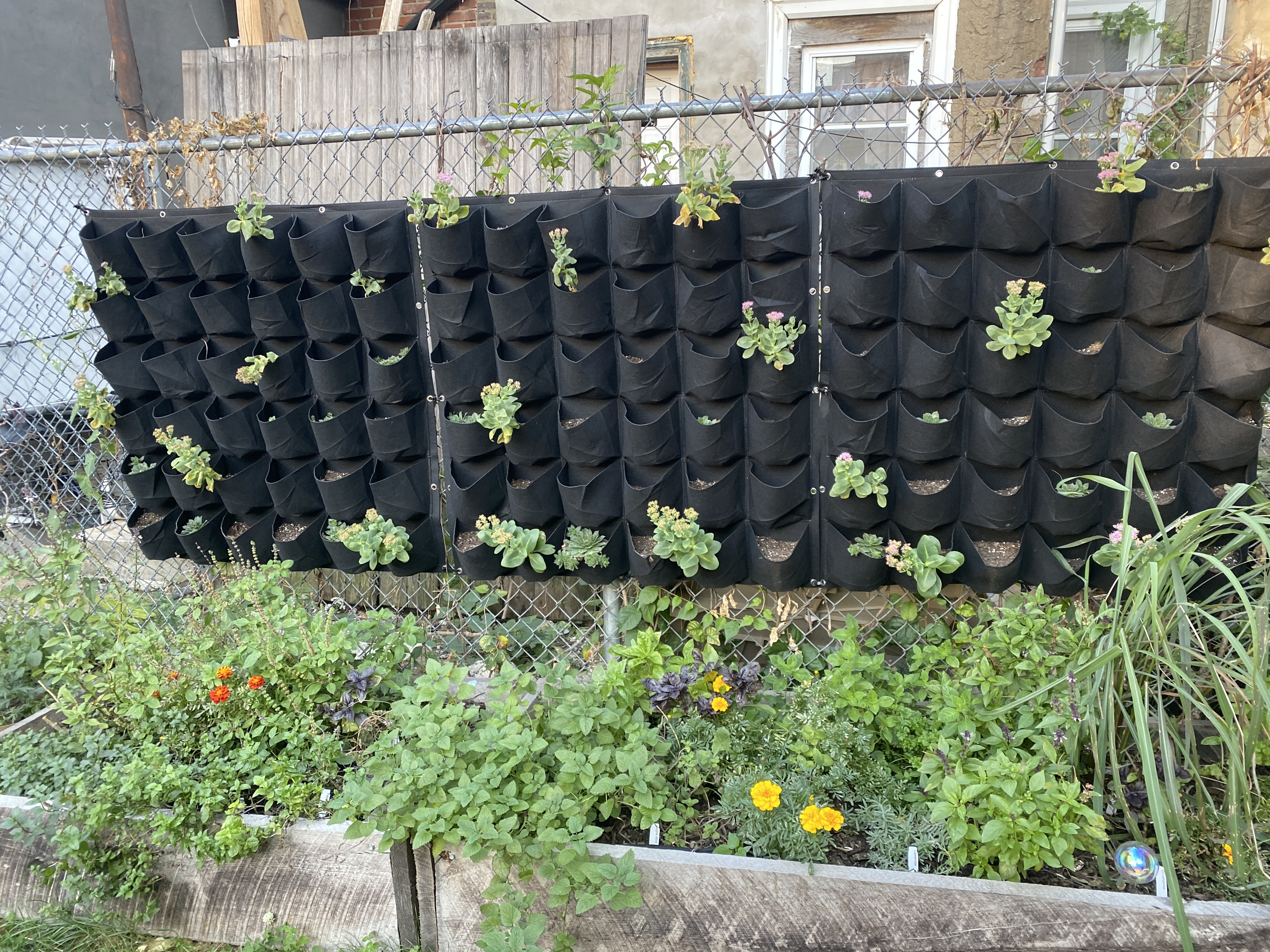
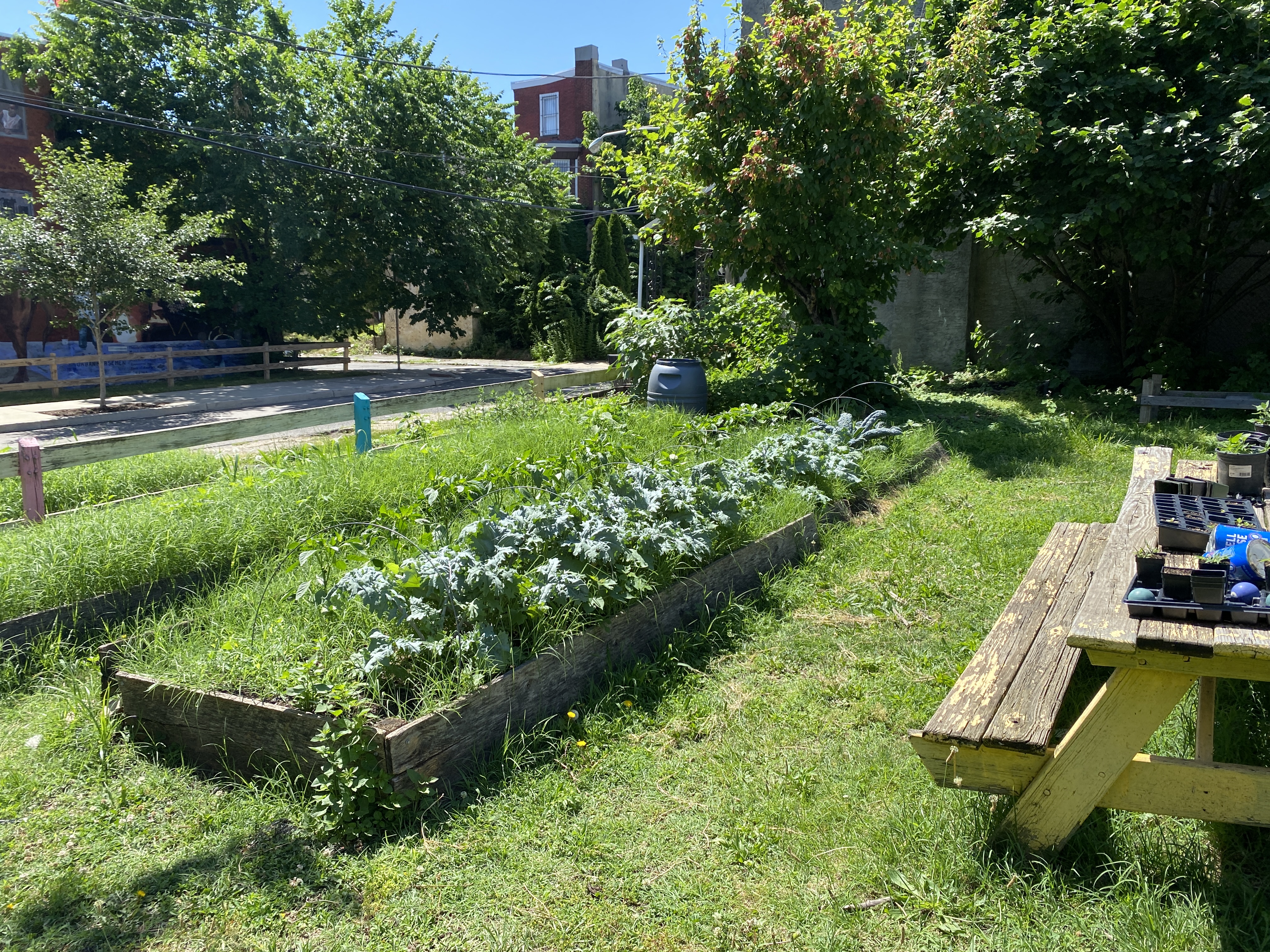
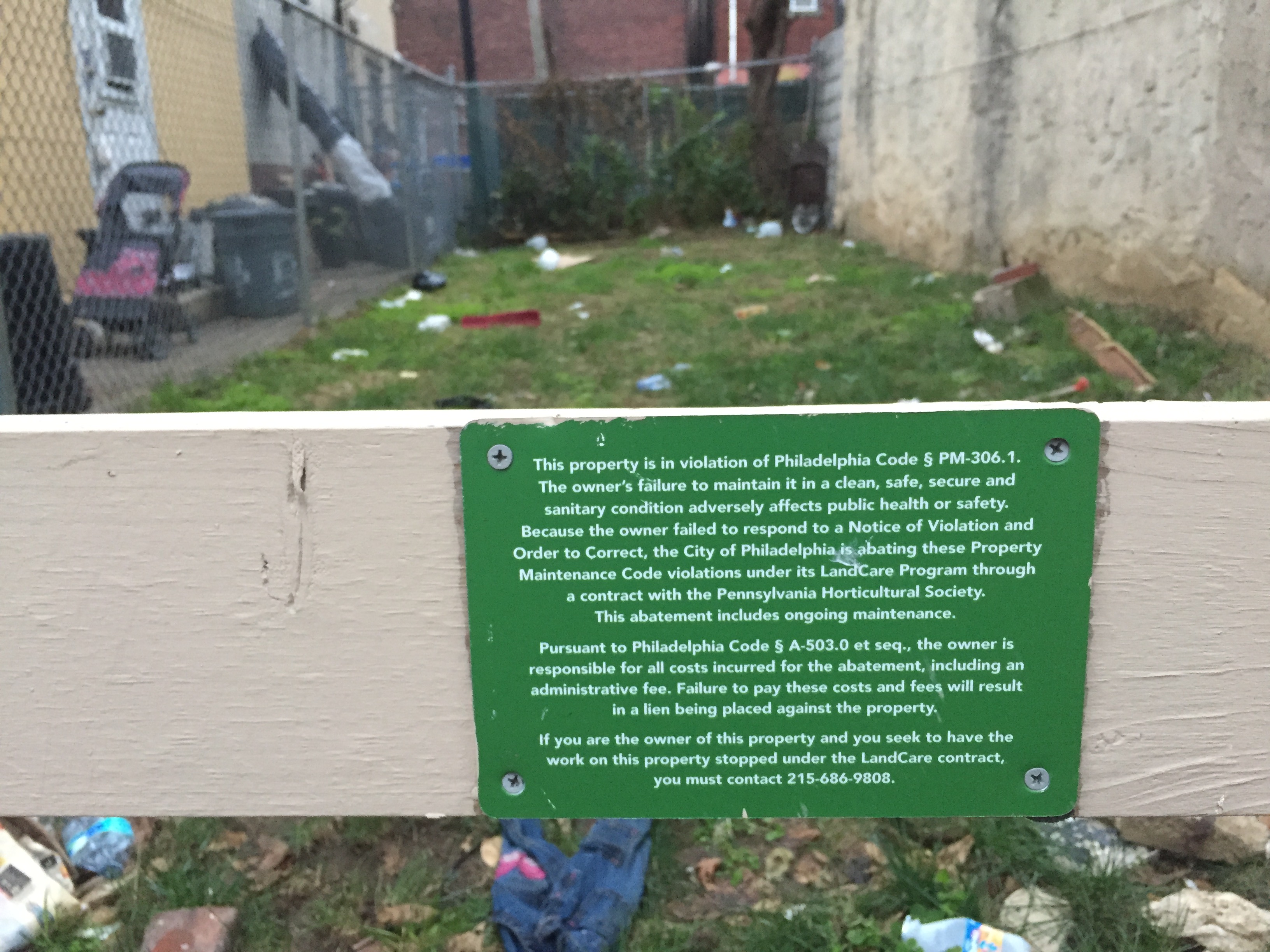
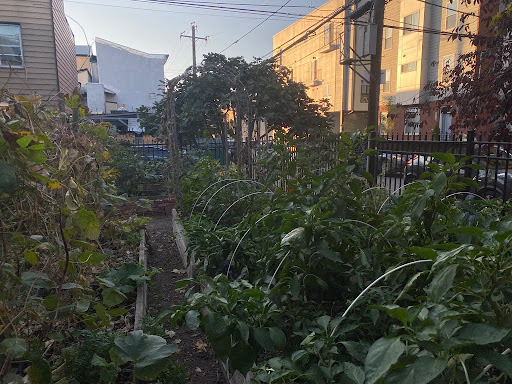
Since 2014, I have been working closely with Philadelphia’s urban agriculture community to help protect the city’s community gardens from land dispossession and displacement resulting from gentrification and development.
The majority of the city’s community gardens are located in relatively poor neighborhoods of color, in areas with long histories of racial marginalization and economic disinvestment. The gardens, however, are sources of community abundance, contributing to food security, emotional and physical well-being, biodiversity, and cultural preservation. While these land stewards improve their neighborhoods, many gardens are vulnerable to displacement because they lack full title to the land parcels on which they operate. This is an important issue in the city and one that has galvanized grassroots mobilization and new expressions of solidarity.
As a founding member of the the Philadelphia Garden Data Collaborative (PGDC), I have been deeply involved in generating and stewarding a comprehensive spatial database of the city’s community gardens and their land parcels.1 Using this database, we are able to identify gardens that are at risk for displacement so that the community can rally in support. These data also make it possible to analyze the composition and spatial distribution of gardens across the city with the aim of celebrating, protecting, and supporting their work.2
- The PGDC is a partnership of the Neighborhood Gardens Trust, Pennsylvania Horticultural Society, the Public Interest Law Center of Philadelphia, Soil Generation (a collective of black and brown growers), Villanova geography professor Peleg Kremer, and myself.
- See, for example, “Philadelphia’s Urban Agriculture Plan: Growing From the Root.” https://www.phila.gov/media/20230421153052/Philadelphia-Urban-Agriculture-Plan.pdf

 Craig Borowiak