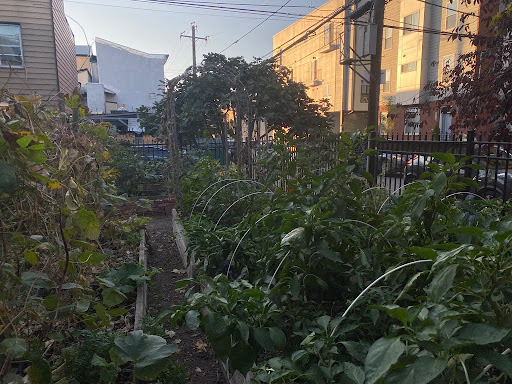
Philadelphia Garden Data Collaborative: Preserving Urban Community Gardens
Since 2014, I have been working closely with Philadelphia’s urban agriculture community to help protect the city’s community gardens from land dispossession and displacement resulting from gentrification and development.
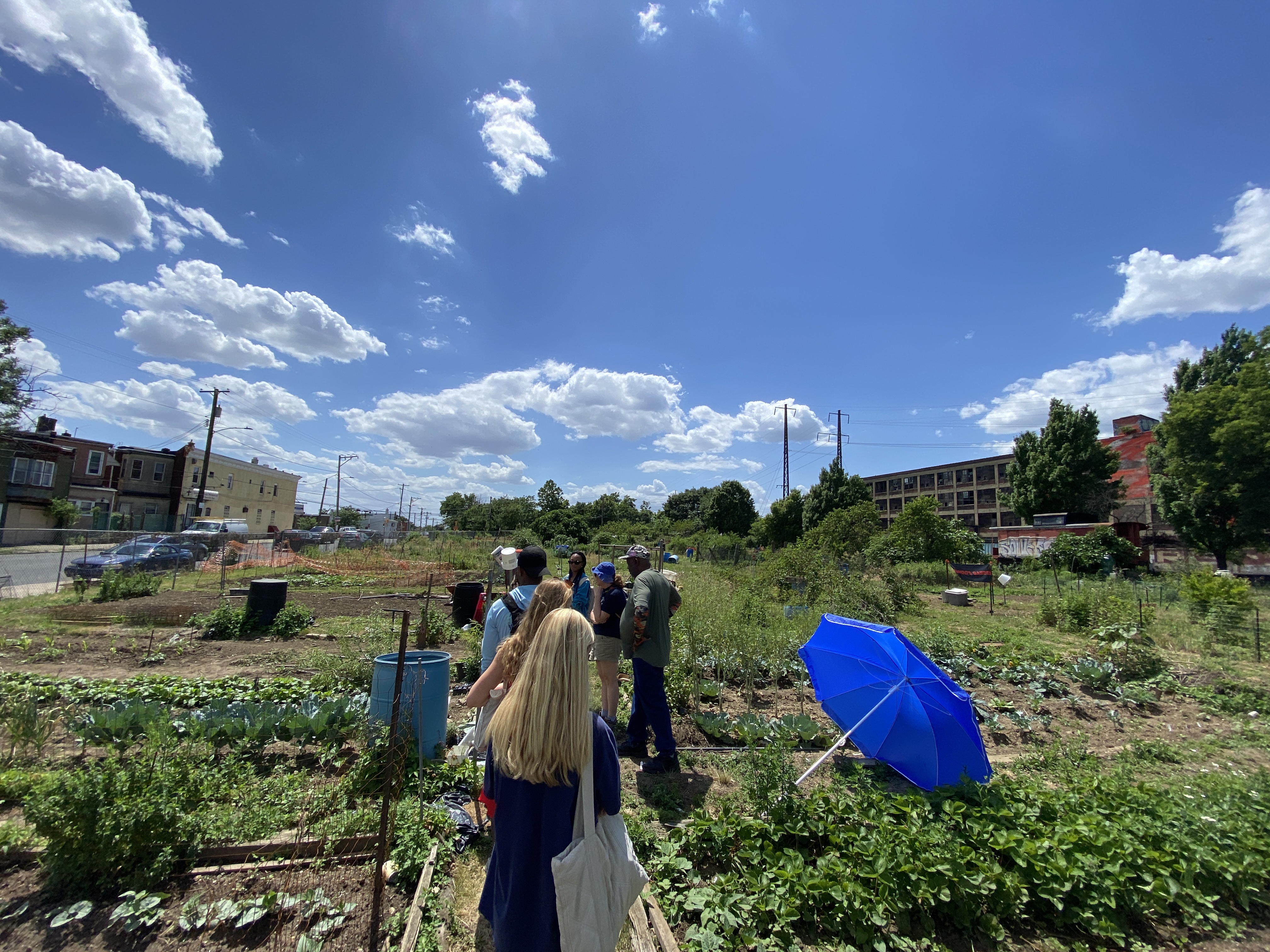
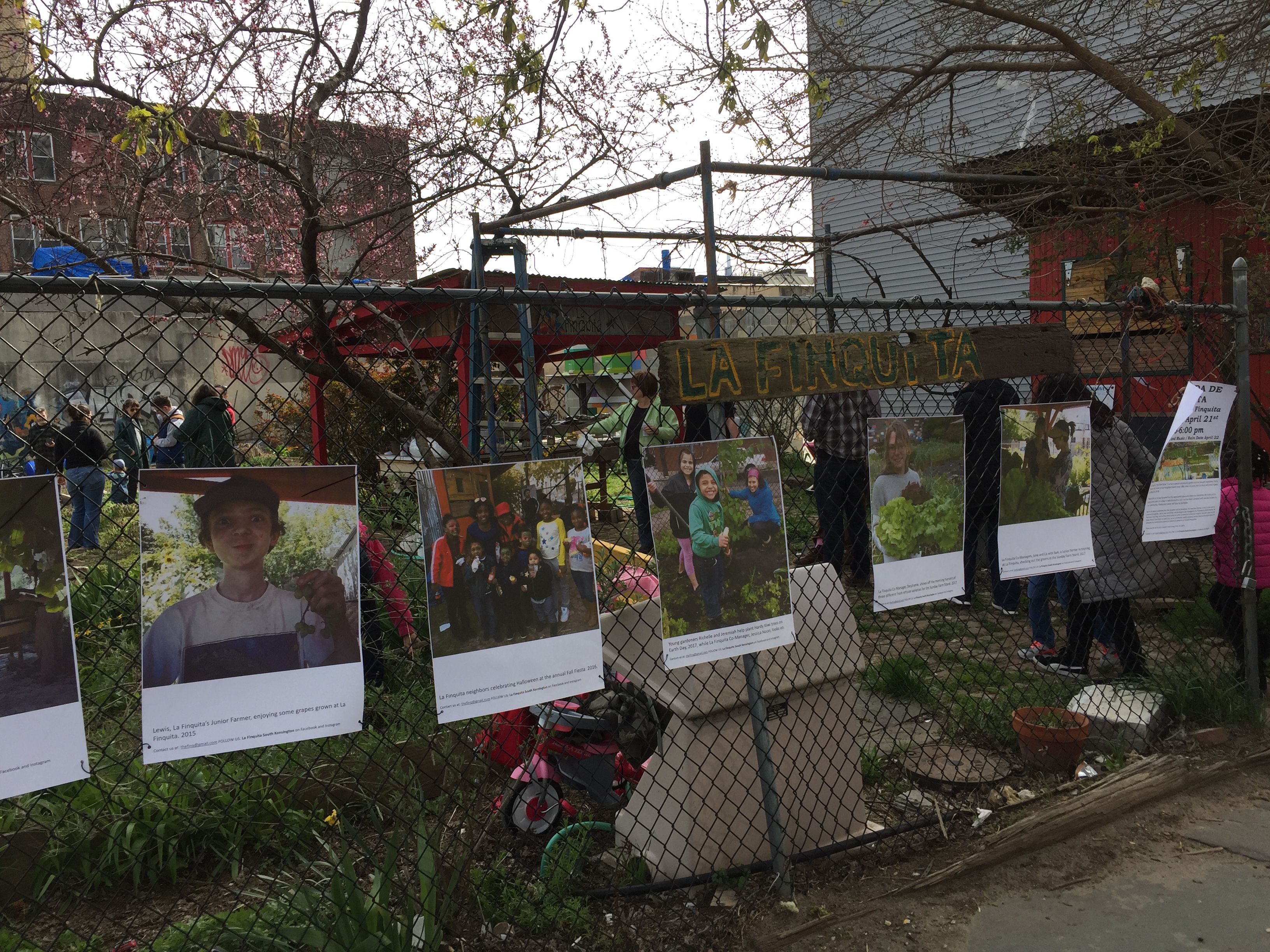
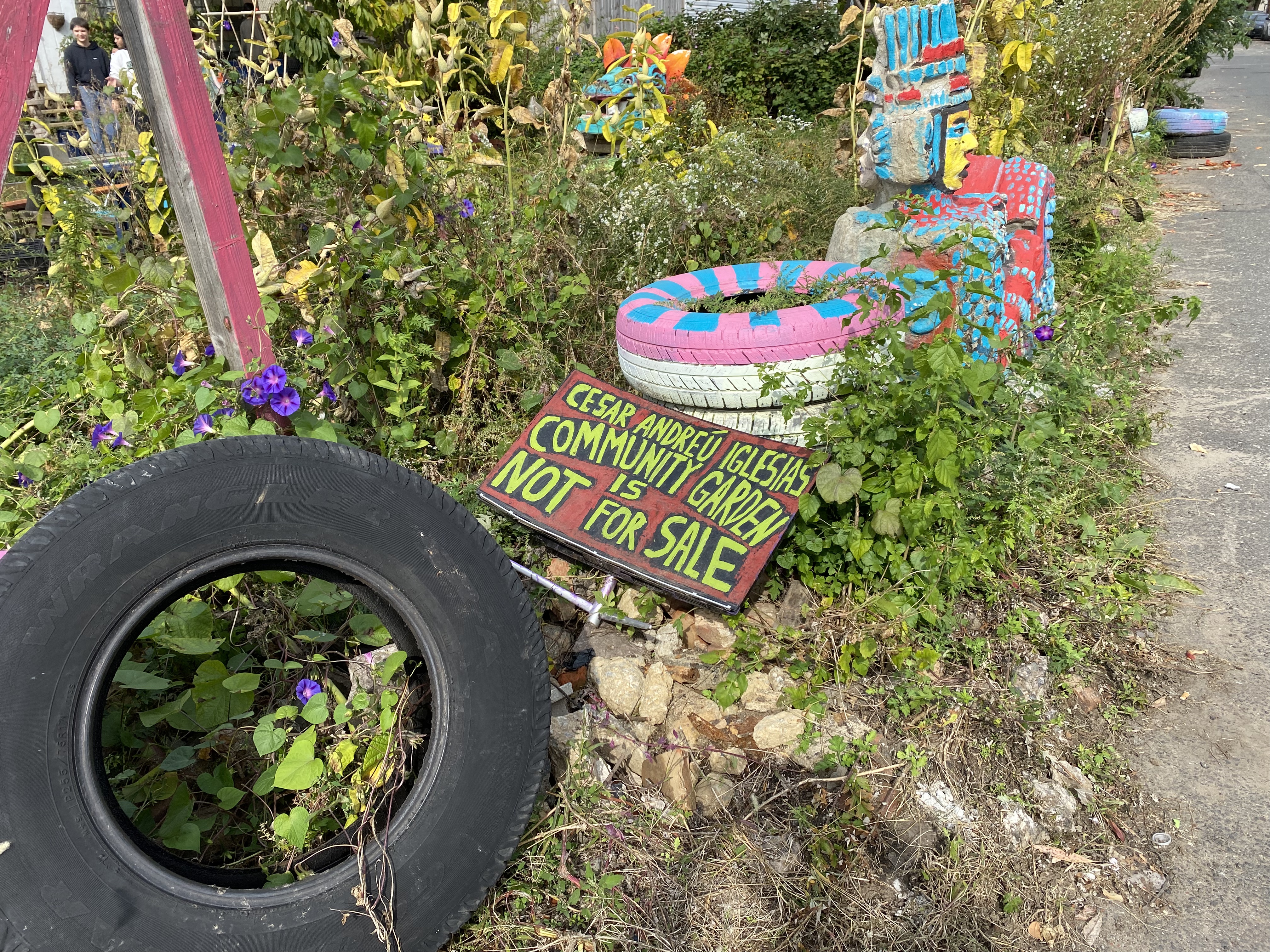
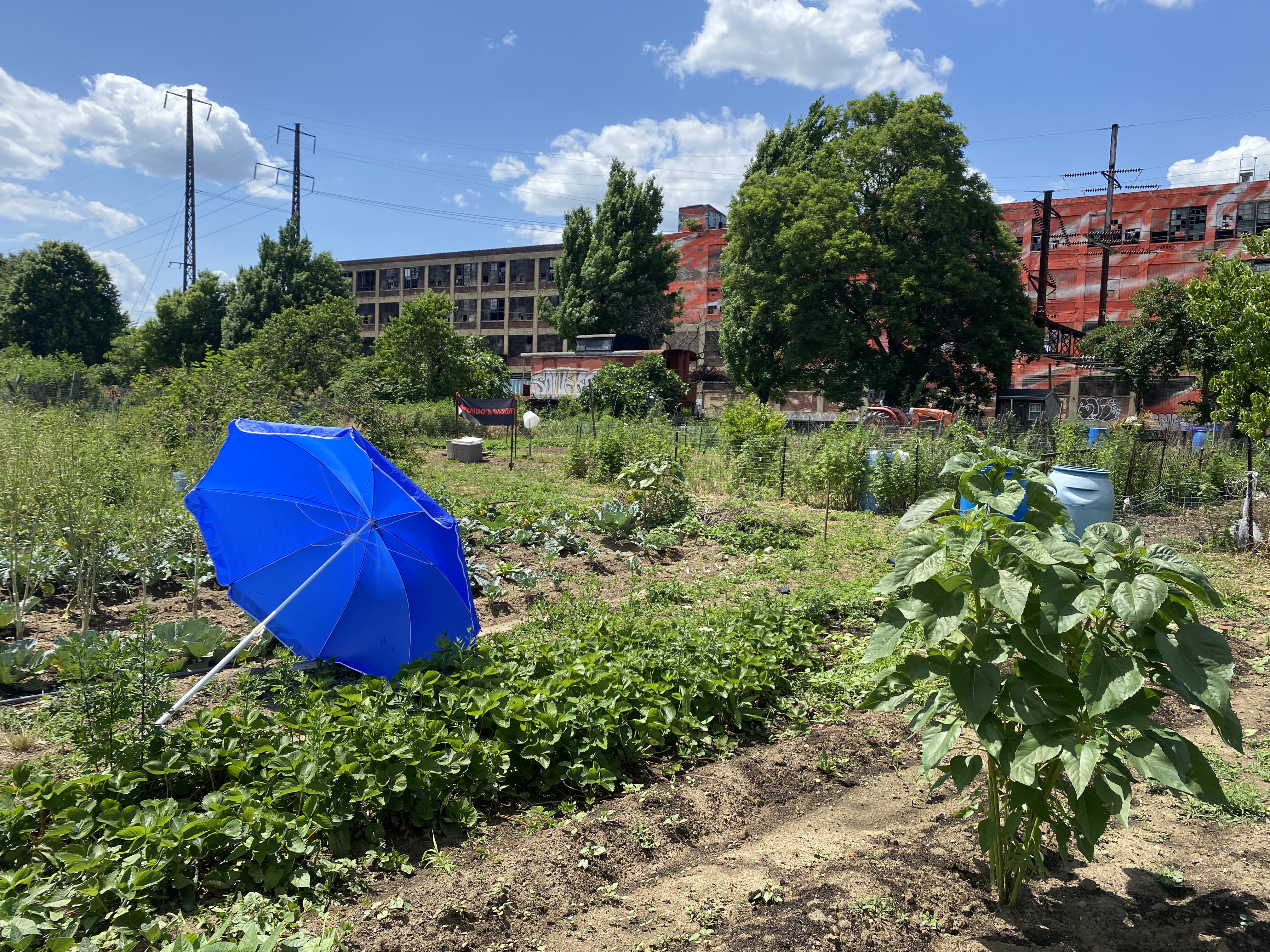
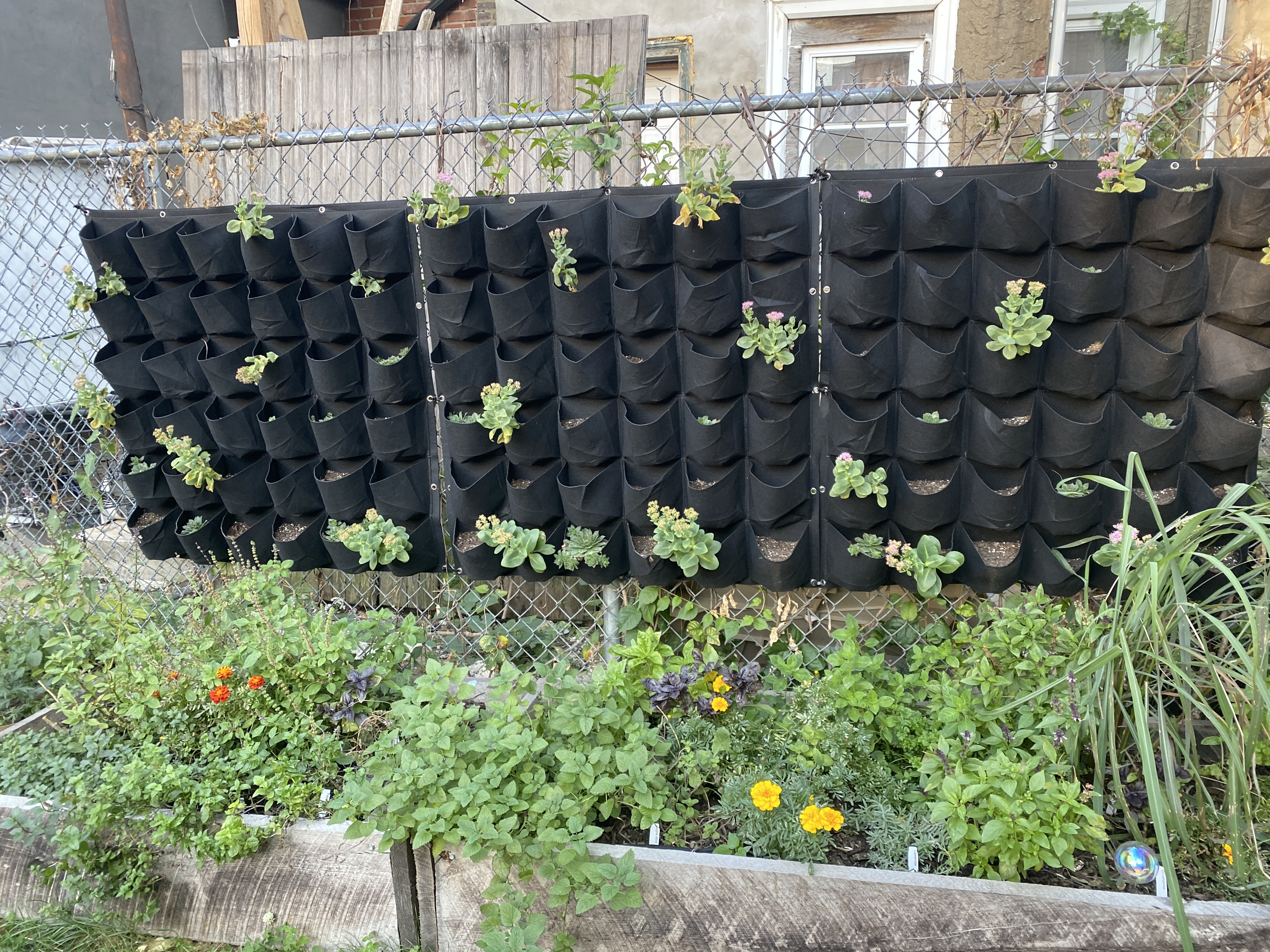
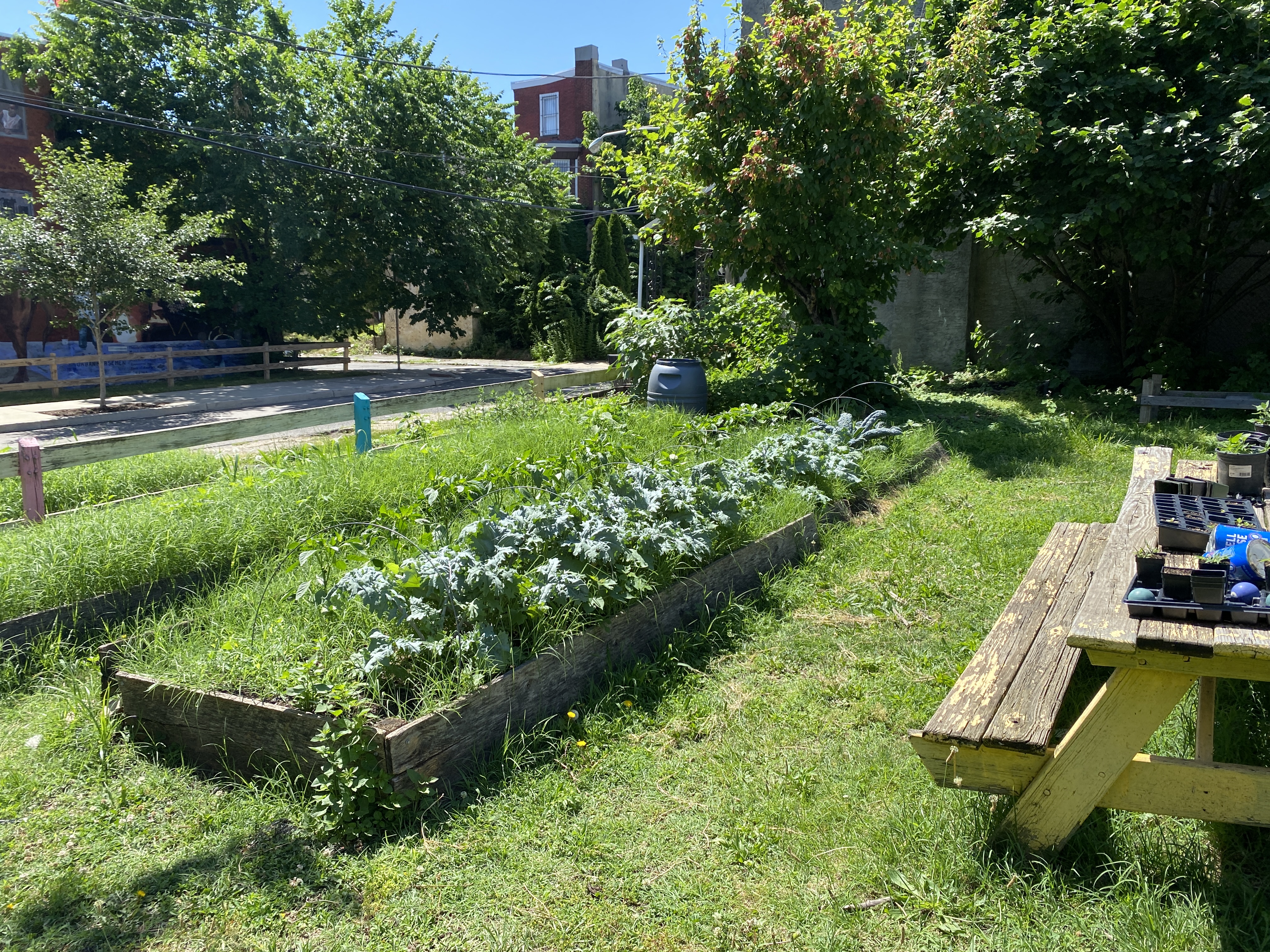
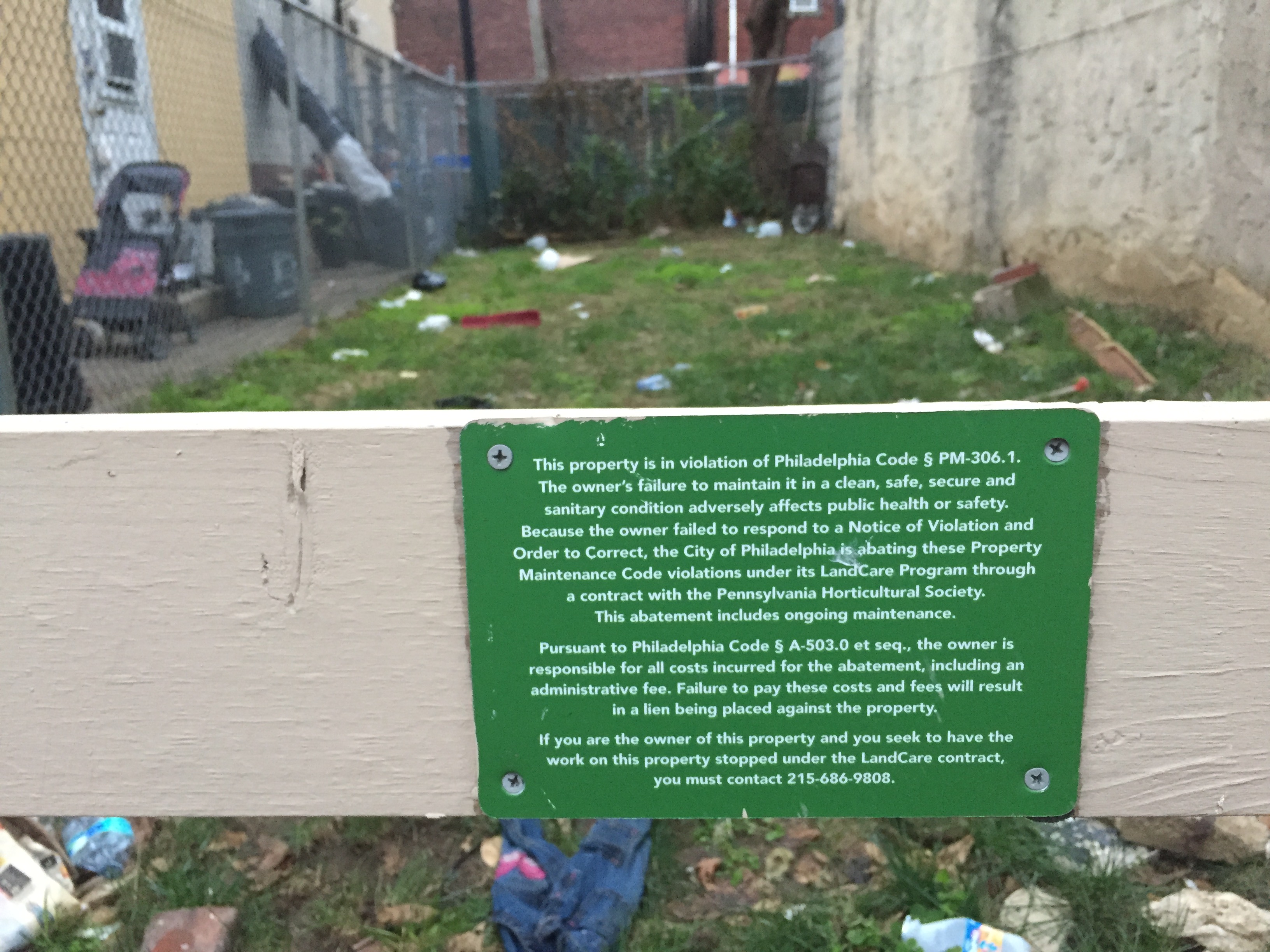
The majority of the city’s community gardens are located in relatively poor neighborhoods of color, in areas with long histories of racial marginalization and economic disinvestment. The gardens, however, are sources of community abundance, contributing to food security, emotional and physical well-being, biodiversity, and cultural preservation. While these land stewards improve their neighborhoods, many gardens are vulnerable to displacement because they lack full title to the land parcels on which they operate. This is an important issue in the city and one that has galvanized grassroots mobilization and new expressions of solidarity.
As a founding member of the the Philadelphia Garden Data Collaborative (PGDC), I have been deeply involved in generating and stewarding a comprehensive spatial database of the city’s community gardens and their land parcels.1 Using this database, we are able to identify gardens that are at risk for displacement so that the community can rally in support. These data also make it possible to analyze the composition and spatial distribution of gardens across the city with the aim of celebrating, protecting, and supporting their work.2
- The PGDC is a partnership of the Neighborhood Gardens Trust, Pennsylvania Horticultural Society, the Public Interest Law Center of Philadelphia, Soil Generation (a collective of black and brown growers), Villanova geography professor Peleg Kremer, and myself.
- See, for example, “Philadelphia’s Urban Agriculture Plan: Growing From the Root.” https://www.phila.gov/media/20230421153052/Philadelphia-Urban-Agriculture-Plan.pdf